BLOG
Decant, sample or full bottle: which makes sense?
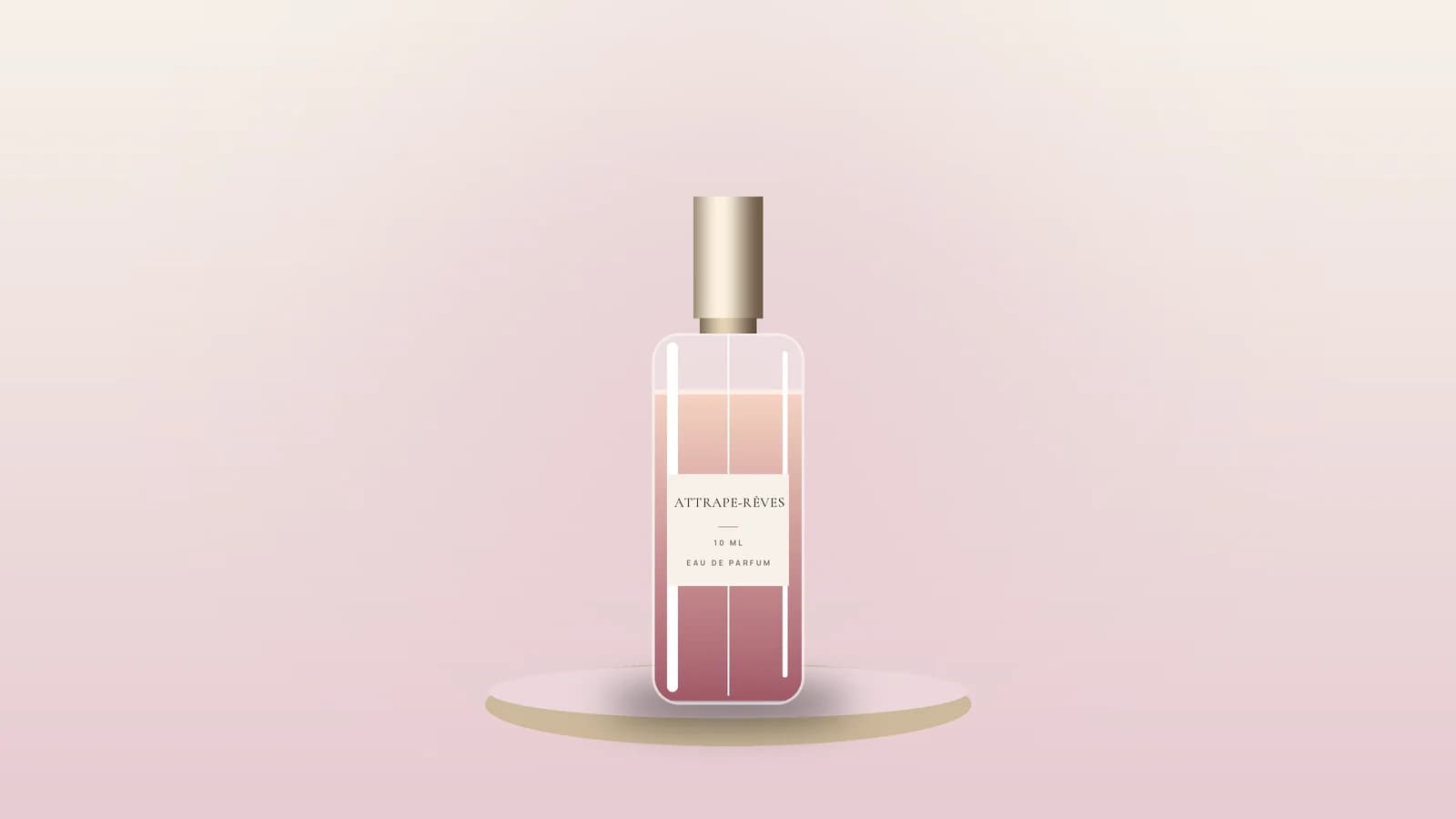
Luxury perfume comes in three practical sizes: a tiny sample, a 10 ml decant and the full bottle. Each has its place – it depends on how well you already know the scent.
Sample (1–2 ml)
Enough for a few wears. Good for a first impression, but too little to learn how a perfume behaves over a whole day, in different weather and on different occasions.
Decant (10 ml)
Roughly 120–150 sprays – weeks of regular wear. Enough to really get to know a fragrance, and small enough for a handbag or travel.
Full bottle (50–200 ml)
The lowest price per millilitre – if you already know you love the scent. If not, it is also the most expensive mistake: a half-used bottle you never wear.
Doing the maths
Example: if a 100 ml bottle costs €300, that is €3 per millilitre. A 10 ml decant at around €40 works out at about €4 per millilitre – slightly more, but you pay €40 instead of €300.
- Sample: the smallest spend, but only a first impression.
- Decant: a small investment that lasts weeks – ideal for testing and travel.
- Full bottle: the best price per millilitre, but only worth it for a scent you already know.
How long each size lasts
Ten millilitres hold roughly 120–150 sprays, so one millilitre is about 12–15 sprays. With three or four sprays a day, that gives a rough guide:
- Sample (1–2 ml): about 12–30 sprays – a few days to a week of wear.
- Decant (10 ml): about 120–150 sprays – 30 to 50 days of daily wear.
- Full bottle (100 ml): about 1,200–1,500 sprays – a year or more, and much longer if you rotate several perfumes.
What a sample cannot tell you
A perfume changes over hours. The bright opening fades within minutes, the heart shows after an hour and the base can last into the evening. On top of that, the same scent behaves differently on warm and cold days, in the office and outdoors, and on different skin. A single wear from a sample shows you the opening; a decant lets you live with the whole development.
There is also nose fatigue. After a few days you notice your own perfume less, while people around you still do. Only longer wear tells you whether you still enjoy a scent once the first excitement wears off.
When a full bottle makes sense
- You have already finished a decant and reached for it more than for anything else.
- You wear the perfume several times a week as your signature scent.
- You want the original bottle and box, for yourself or as a gift.
If none of these apply, a full bottle is likely to sit half-used on the shelf. With several perfumes in rotation, even 50 ml can take years to finish.
Travel and everyday carry
A 10 ml atomizer is small and light enough for a handbag or a jacket pocket, and well under the usual 100 ml limit for liquids in hand luggage. The full bottle stays at home, safe from heat and knocks on the road.
A worked example: choosing between three perfumes
Say you are torn between three luxury perfumes that each cost around €300 for 100 ml. Buying the one you like best in the store is a guess based on a few minutes on a paper strip. Three 10 ml decants at around €40 each cost about €120 together, and after a month you know which one you actually reach for. If one wins, the full bottle is a safe purchase; if none does, you have spent €120 instead of €300.
Price per millilitre is not the whole story
A full bottle always wins on price per millilitre. But the real cost of a perfume is what you pay for the millilitres you actually wear. A 100 ml bottle you use a quarter of costs you €300 for 25 ml – €12 per millilitre, three times more than a decant you finish.
Which size is for whom
- Sample: for the curious who want a first impression of something new without any risk.
- Decant: for anyone considering an expensive perfume, who likes to rotate scents or wants a luxury fragrance for travel.
- Full bottle: for someone who has found their scent, wears it regularly and wants the original bottle too.
Common mistakes when buying perfume
- Buying a full bottle after smelling it only on a paper strip – skin changes a fragrance.
- Judging a scent by its first minutes – the opening is the shortest part of a perfume.
- Buying in a hurry during a sale – a discount on a perfume you never wear is still money lost.
- Testing too many scents at once – after three or four, your nose cannot tell them apart well.
- Choosing by someone else – a scent you loved on a friend may smell different on you.
A decant avoids most of these mistakes: you test on your own skin, over weeks and at your own pace, and only then decide whether a full bottle is worth it.
Our tip
Start with a decant. If you finish it and miss the scent, buy the full bottle with confidence. If not, you have saved yourself an expensive mistake – and found out what you really like.
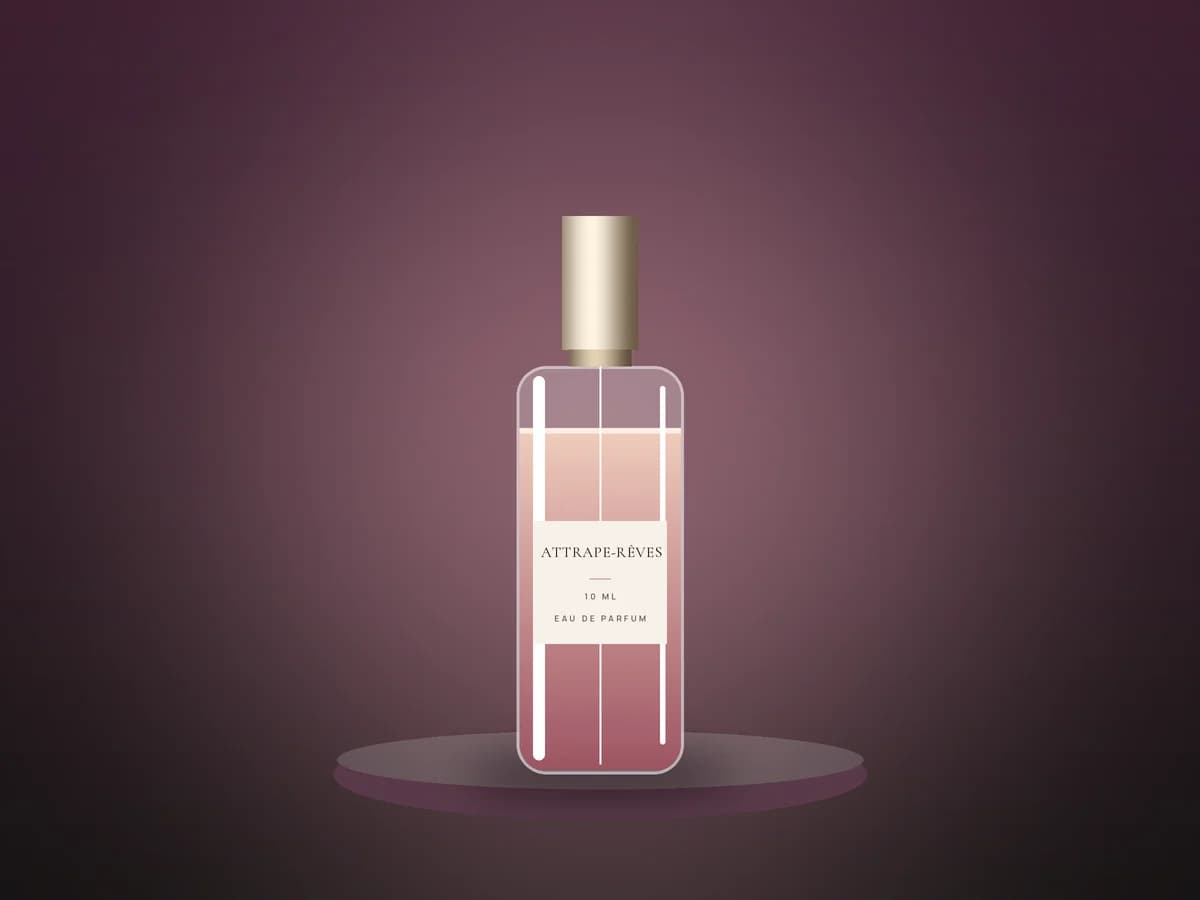
Want to try the scent on your own skin? Order the Attrape-Rêves 10 ml decant.
Perfumes in this article
More articles
Louis Vuitton fragrances: the lines and how to try one
Which Louis Vuitton fragrances exist, how they differ, and how to try one without buying a full bottle.
EDP, EDT or Parfum: what the labels mean
Eau de Parfum, Eau de Toilette, Parfum – the names describe how concentrated a fragrance is. What that means for longevity, intensity and price.
Perfumes for autumn: which notes to choose
When the days get cooler, light summer scents fade fast. Which fragrance notes work best in autumn and how to wear them.